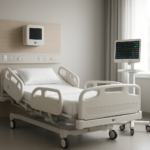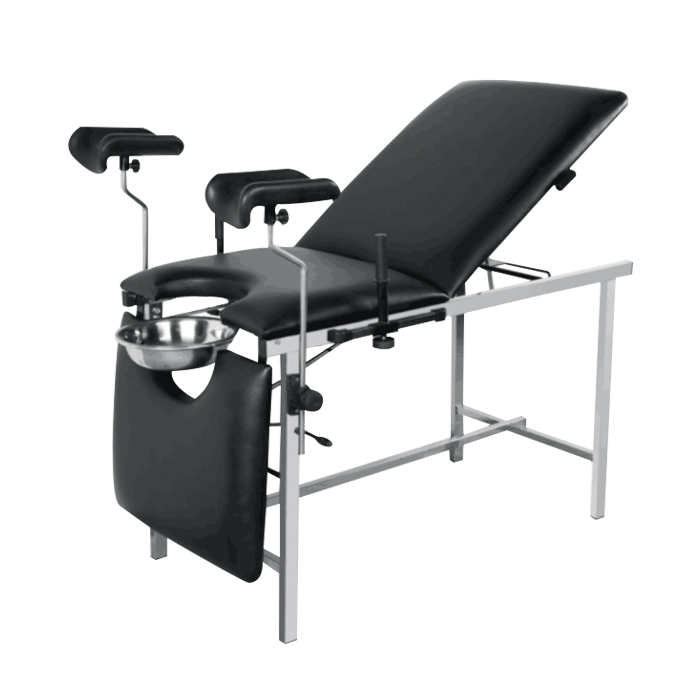
Most clinics don’t plan for furniture replacement — it just sort of happens after something breaks, a patient complains, or an inspector points at a torn exam table cover. But by the time furniture fails outright, the clinic has usually already been absorbing hidden costs for months: slower patient turnover, staff strain, and quiet compliance risk that nobody flagged until it became a problem.
Deciding when to upgrade medical furniture isn’t about chasing the newest features. It’s about recognizing the specific warning signs that current furniture is actively working against patient care, staff safety, or clinic efficiency. Below are five signs worth taking seriously, along with what they typically mean for a clinic’s bottom line and reputation.
1. Visible Wear That’s Becoming a Hygiene or Safety Risk
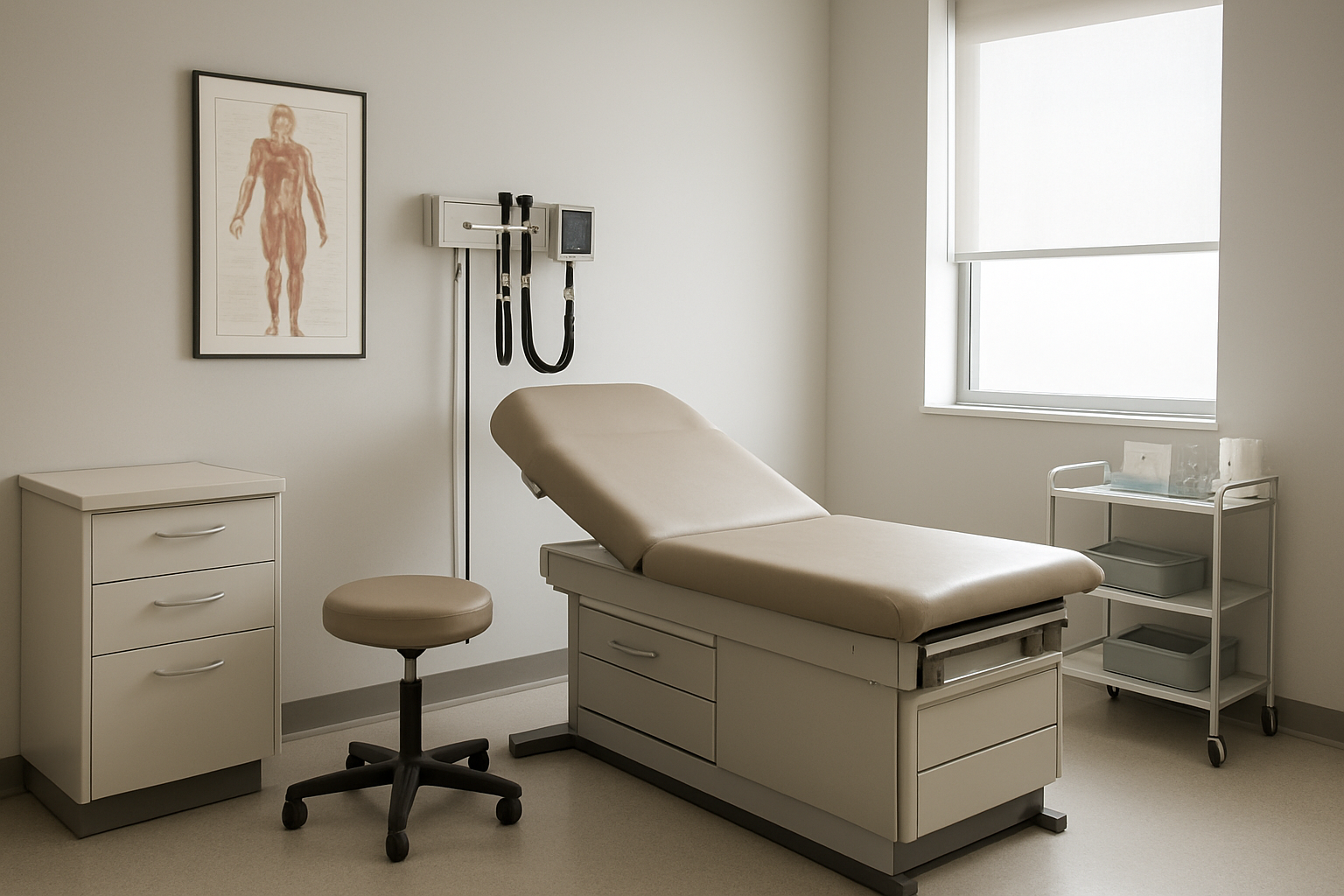
Torn upholstery, chipped paint, rusted frames, and squeaky wheels are usually dismissed as cosmetic issues. They aren’t. Cracked vinyl on an exam table or waiting room chair creates a surface that’s far harder to properly disinfect between patients, since pathogens can settle into seams and tears that no amount of wiping fully reaches. Chipped paint and exposed metal edges are also a real injury risk, particularly around pediatric or elderly patients who may brush against sharp or rough surfaces during transfer.
Rust is its own category of concern. Once corrosion starts on a bed frame, stool base, or cart wheel, it typically signals the internal structure is weakening — not just the surface finish. A wheel that squeaks or sticks isn’t only an annoyance during a busy shift; it’s often an early indicator of bearing wear that can eventually fail under load, right when a patient or piece of equipment is being moved.
What to check: Walk through exam rooms and ask staff directly which pieces they avoid using or work around. Frontline staff usually know exactly which chair “always squeaks” or which table “wobbles a bit” long before it shows up on a maintenance log.
2. Furniture That No Longer Meets Ergonomic or Accessibility Standards
A static-height exam table might have been standard a decade ago, but it’s increasingly out of step with what both regulations and patients expect in 2026. Electric height adjustment has moved from a premium feature to a baseline expectation in most clinical settings, largely because it directly affects two things: patient safety during transfers and staff injury rates during manual positioning.
The same applies to seating. Hard, fixed-height waiting room chairs and treatment stools without lumbar or postural support create real problems for two groups at once — patients who may already be in pain or have limited mobility, and staff who spend entire shifts perched on inadequate seating. Over time, poor ergonomic furniture is a measurable contributor to healthcare worker strain injuries, which translates into absenteeism and turnover costs that are easy to underestimate.
Accessibility matters just as much. Furniture that can’t accommodate a wider range of patient body types, mobility aids, or bariatric needs isn’t just a comfort gap — in many jurisdictions, it’s increasingly treated as a compliance and inclusion issue that clinics are expected to actively address rather than quietly ignore.
What to check: If staff are manually lifting or repositioning patients more than they should need to because furniture doesn’t adjust properly, that’s a direct signal it’s time to upgrade medical furniture rather than patch around the problem.
3. Patients and Staff Are Actively Commenting on It
Furniture problems rarely stay hidden. Patients mention the “uncomfortable chairs” in reviews. Staff bring up the “wobbly stool in room 3” in every team meeting. Reception desks quietly rearrange seating to avoid putting anyone in the one chair everybody knows is broken.
This kind of recurring, informal feedback is one of the most reliable early indicators a clinic has, precisely because it comes from the people actually using the furniture every day rather than from a scheduled inspection. Patients read a clinic’s furniture as a proxy for the quality of care they’re about to receive — a worn, mismatched waiting room creates hesitation and anxiety before an appointment has even started, while clean, well-maintained furniture quietly reassures people that the same attention to detail extends to their treatment.
Staff feedback matters just as much, if not more. When clinical staff consistently avoid certain equipment, work around a piece of furniture, or complain about the same item repeatedly, it’s rarely a one-off gripe — it’s usually a sign that a specific piece is actively slowing down or complicating care delivery.
What to check: Look back at recent patient reviews and staff meeting notes for recurring mentions of specific furniture. If the same chair, table, or cart keeps coming up, that repetition is the signal.
4. Furniture Can’t Keep Up with Current Infection-Control Standards
Infection control expectations have tightened considerably, and furniture that was perfectly acceptable a few years ago may no longer meet current standards. Porous fabrics, seams that trap moisture, and materials that degrade under frequent disinfectant use are all liabilities in a modern clinical setting.
Antimicrobial-coated surfaces and easy-to-clean, non-porous materials have shifted from a “nice to have” to close to an expectation in outpatient and clinical environments, particularly as facilities respond to updated guidelines aimed at reducing cross-contamination in high-traffic areas like waiting rooms and shared treatment spaces. Furniture that can’t be effectively disinfected between uses — because of cracked surfaces, absorbent fabric, or hard-to-reach crevices — undermines infection control protocols no matter how rigorous the cleaning staff’s routine actually is.
This is also where furniture age becomes a genuine liability rather than just an aesthetic concern. Materials and coatings have improved significantly, and furniture purchased even five to seven years ago may simply lack the surface properties that current infection-control best practices call for.
What to check: Ask your infection-control lead or cleaning staff whether any current furniture makes proper disinfection difficult. If the honest answer is yes, that furniture is undermining a protocol the rest of the clinic is working hard to maintain.
5. The Furniture Can’t Support How the Clinic Actually Operates Today
Clinics change faster than their furniture usually does. A practice that’s added new services, expanded patient volume, or shifted toward more mobile, flexible care delivery often finds that furniture purchased for an earlier version of the clinic no longer fits how the space is actually used.
Fixed, heavy furniture that can’t be reconfigured becomes a real constraint when a clinic needs to adapt a room for a different type of appointment, accommodate a sudden patient surge, or simply rearrange a space for better flow. Storage that was sized for a smaller inventory creates clutter and workflow friction as supply needs grow. Workstations that weren’t designed for today’s mix of paper and digital charting slow staff down in ways that are easy to overlook individually but add up across a full day.
This is less about any one piece of furniture failing and more about a mismatch between the furniture a clinic has and the clinic it has actually become. It’s a subtler sign than a torn chair or a rusted frame, but it’s just as real a reason to upgrade medical furniture — the current setup is quietly working against efficiency rather than supporting it.
What to check: Compare how rooms and workstations are actually being used today against how the furniture was originally arranged and specified. A significant gap between the two is a clear signal that furniture, not just workflow, needs to catch up.
Making the Case to Upgrade
None of these five signs need to appear all at once to justify action. Even one — a hygiene risk from worn upholstery, a recurring staff complaint, an accessibility gap — is generally enough reason to start evaluating replacement rather than waiting for outright failure. Treating furniture as a strategic asset rather than a maintenance afterthought tends to pay off in fairly direct ways: fewer safety incidents, better patient satisfaction scores, lower staff injury and turnover costs, and smoother compliance during inspections.
The clinics that get the most value out of an upgrade are usually the ones that don’t wait until furniture is visibly falling apart. Reviewing furniture condition, ergonomics, infection-control suitability, and fit with current operations on a regular basis — rather than only after a complaint or an inspection — keeps the decision proactive instead of reactive.
If more than one of these five signs sounds familiar, it’s worth treating it as more than routine wear and tear. It’s a signal that the clinic’s furniture is no longer keeping pace with its patients, its staff, or its own standards of care — and that a planned upgrade will likely cost less, in every sense, than continuing to work around the problem.